
best graphic designer
Graphic Design: The Silent Power Behind Strong Brands
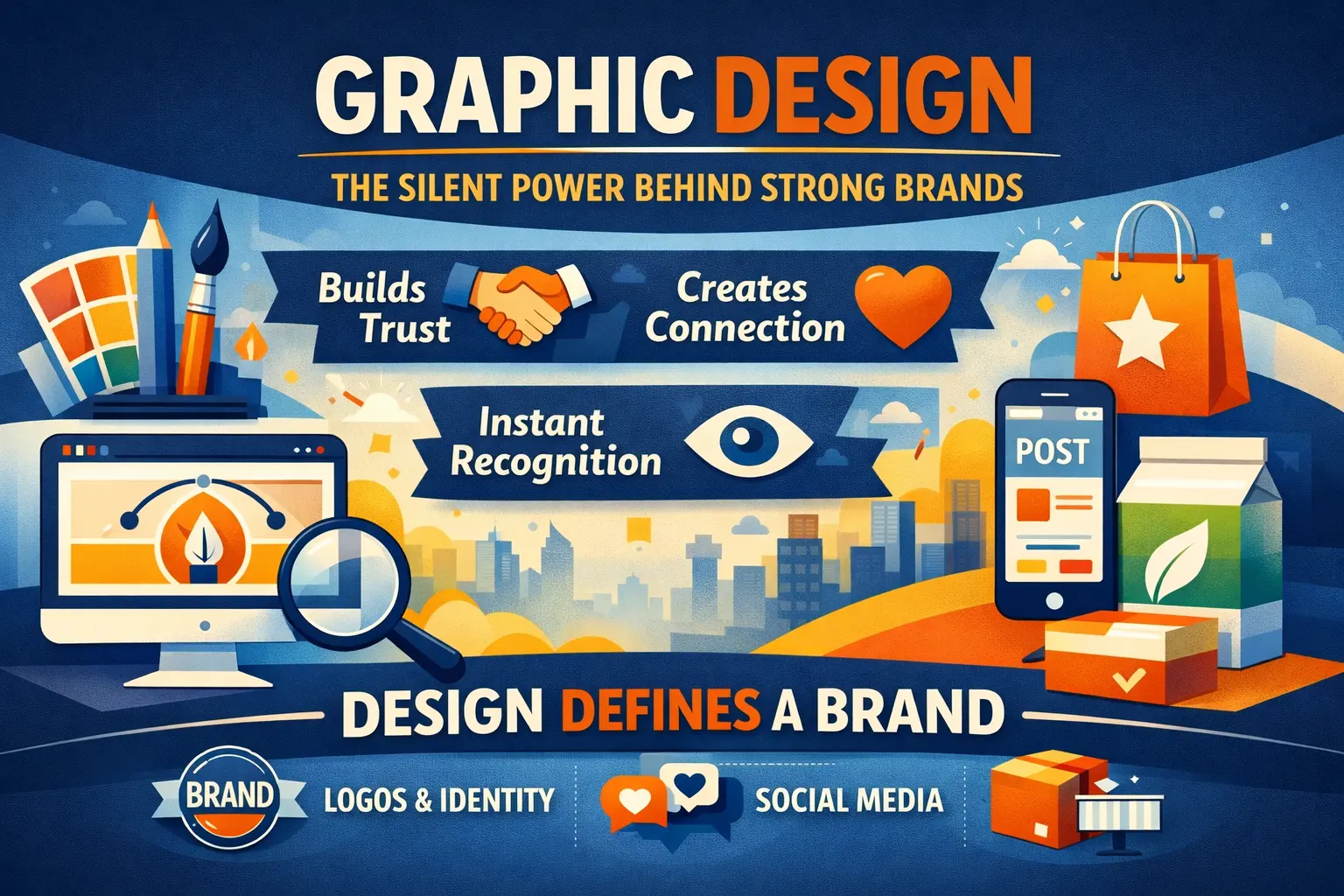
best graphic designer
In today’s visually driven world, graphic design is no longer just about making things look attractive. It is a powerful communication tool that shapes how people perceive brands, businesses, and ideas.
From the logo on your favorite coffee cup to the layout of a website, from social media posts to product packaging — graphic design influences decisions more than we realize. It speaks before words do.t builds impressions within seconds.And in business, first impressions matter.Graphic design is not decoration.t is strategy combined with creativity.
What Is Graphic Design?
Graphic design is the art of combining text, images, colors, and layout to communicate a message visually. It blends creativity with purpose. Every design element — whether it is a font choice, color palette, or spacing — is selected intentionally.
Good design does three things:
Captures attention
Communicates clearly
Creates emotional connection
When these three elements come together, design becomes powerful.
Why Graphic Design Is Important for Businesses
In a competitive market, customers are constantly exposed to advertisements, social media posts, websites, and promotional materials. so much noise, standing out is difficult.
At this stage, effective design becomes highly important.
First Impressions Are Visual
Research shows that people form opinions within seconds. or reading about your business, customers notice your logo, colors, website layout, and social media visuals.
If your design looks outdated or inconsistent, it can reduce credibility. the other hand, professional design builds trust instantly.
Builds Brand Identity
Graphic design helps create a strong brand identity through:
Logo design
Brand colors
Typography
Visual style
Marketing materials
Consistent branding makes your business recognizable.n customers repeatedly see the same colors, fonts, and design style, your brand becomes memorable.
Improves Communication
Visuals communicate faster than text. An infographic can explain complex data in seconds. A well-designed poster can deliver a message at a glance.
Design simplifies information and makes it engaging.
Elements of Effective Graphic Design
To understand graphic design deeply, we need to look at its core elements.
Color
Colors evoke emotions. Blue. represents trust and professionalism. Red creates urgency and excitement. Green is widely connected with harmony and natural elements.
The right combination of colors can affect the emotions people associate with your brand.
Topography
The choice of typeface reveals mood and personality, not just language. A luxuriesYour brand may use elegant serif fonts, while a tech startup may prefer modern sans-serif styles.
Typography affects readability and tone.
Layout and Composition:
The arrangement of elements determines clarity. read design confuses viewers. A clean layout improves user experience and message clarity.
Images and Graphics:
High-quality visuals enhance credibility. Low quality images can damage brand perception. element should work together harmoniously.
Graphic Design in the Digital Era
With the rise of digital platforms, graphic design has expanded beyond print.
Today, Design plays a major role in:
Social media posts
Website UI/UX
Mobile apps
Online advertisements
Email marketing
Digital presentations
With constant digital distractions, focus does not last long anymore. A strong visual can stop someone from scrolling and encourage engagement.
For example, on Instagram or LinkedIn, visually appealing posts are more likely to be shared and saved design, user-friendly layouts improve conversions and reduce bounce rates.
Digital success heavily depends on visual experience.
Graphic Design and Marketing
Marketing without design is incomplete.
Whether it’s a product brochure, banner ad, packaging design, or social media campaign — visuals drive marketing performance.
Good design Increase brand recall Improve ad performance Boost engagement Strengthen emotional connection Influence buying decisions For example, product packaging plays a crucial role in purchase behavior. Attractive packaging: and well-structured packaging often encourages customers to choose one product over another .eates perceived value.
Emotional Impact of Design
Design is deeply connected to psychology.
People respond emotionally to visuals. A minimalizable.st design may create a sense of calm and sophistication. Bold colors and dynamic layouts may generate excitement and energy.ds understand their audience’s emotions, they can design experiences that resonate deeply.
That emotional connection builds loyalty.
The Role of Creativity and Strategy
Many people think graphic design is purely about creativity. While creativity is essential, strategy is equally important.
A succesfull design answers these questions:
Who is the target audience?
What message needs to be communicated?
What action should the viewer take?
Where will This design be displayed?
Without strideategy, design becomes art without purpose.al designers combine creativity with research and marketing understanding to create impactful results.
Tools Used in Graphic Design.
Modern graphic designers use advanced tools to bring ideas to life. Popular soft skills. ware includes:
Adobe Photoshop
Adobe Illustrator
Adobe InDesign
Canva
Figma
However, tools alone do not create great design. Skill, experience, and creative thinking make the difference.
Career Opportunities in Graphic Design
Graphic design offers diverse career paths such as:
Brand Designer
UI/UX Designer
Social Media Designer
Motion Graphics Artist
Packaging Designer
Creative Director
With businesses moving online, the demand for skilled designers continues to grow.
Freelancing opportunities are also expanding, allowing designers to work with global clients.
The Future of Graphic Design:
The design industry is evolving rapidly. Trends such as::
Minimalism
3D design
Motion graphics
AI-assisted design
Interactive visuals
are shaping the future.
Artificial intelligence tools are helping designers work faster, but human creativity remains irreplaceable.
Design will continue to adapt as technology evolves.
Conclusion
Graphic design is more than visuals. It is communicative.ation, branding, psychology, and strategy combined.
In a world there attention spans are shrinking and competition is increasing, strong design gives businesses a competitive advantage.
It builds ideatity.
It creates truest.
It influences decisions.
It drives growth.
Whether you are or not,e a startup, freelancer, or established brand, investing in quality graphic design is not optional — it is essential.
Because in the end, people may forget what you said, but they will remember how your brand made them feel.
And design is everything. What creates that feeling?